2021 Programme
Covid Rehabilitation
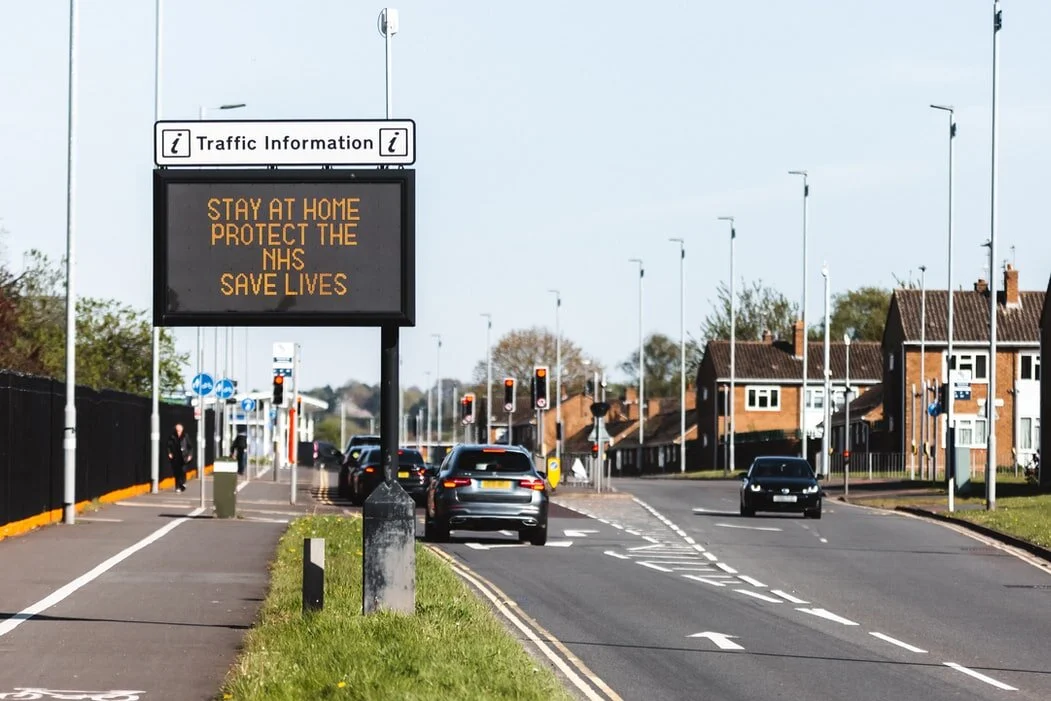
Covid-19 is more than the binary narrative of “sick / not sick”, It’s important that we think of its wider effects.
We will issue 3 reports throughout the quarter relevant to the topic;
What has been the experience and mental stress of Covid-19?
What does it mean for long term health?
What are the ongoing long-haul Covid health needs?
How do we support a mentally fragile workforce?
What is the role of the built environment?
What will be the new health needs of a post pandemic workforce?
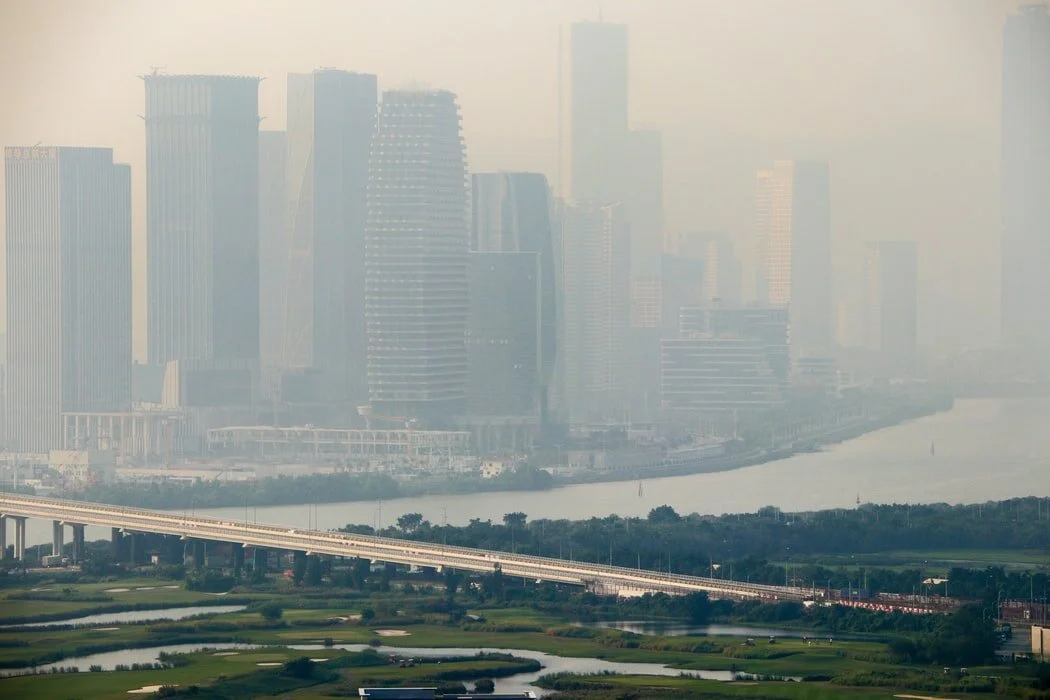
How does air pollution affect recovery of Covid-19?
What new policies do we need?
Why clean air should be a health priority.
ROUNDTABLES & EVENTS

INSIGHT REPORT

EQUITABLE URBAN MOBILITY
This report is based on a community survey completed by urban dwellers and research on equitable mobility. The report is for citizens to use to create policy change around urban mobility. Additionally, it is a report to inform urban planners and policy makers what the lived experience is for those living on LTN and in poor urban mobility zones.
Mobility is key to health through various pathways; exposure to environmental stressors, access to resources, and community cohesion.
Released early March
Placemaking for Public Health
This quarter we will be focusing on how to placemake for urban health.
All roads lead to health; robust green and blue infrastructure, quality homes, amenity curation, materiality, mobility, as well as access to nutritional resources, community cohesion, access to health resources, and fair governance.
When all of these elements are orchestrated in symbiosis with our natural ecosystems and with equitability, we can create places that are healthy for all people. The 3 reports are based on:
A report to understand how the places that we live affect our health. In order to successfully and meaningfully make a dent in our current health crisis, we have to be clear about how our habitats are making us sick.
How to rehabilitate existing places and communities so they are supportive to its inhabitants. The rehabilitation framing allows for more inclusive and equitable language and methodology. It also sets us on the path of health rather than capital, healing rather than gentrification, and equitability rather than inequity.
Cities, as they stand, are antagonistic to nature. This short report will look at how we can create cities that are symbiotic with nature to help us successfully adapt to climate change and lead healthier lives.
ROUNDTABLES & WORKSHOPS


INSIGHT REPORT

NATURE AS HEALTHCARE
This report is based on a community poll completed by urban dwellers speaking about their experiences with nature during the pandemic.
It is to illustrate the importance of nature in health and recovery, making the case that nature should be framed as a health necessity.
Released early July.
Location, Lived Experience, and Communities
The relationship between health and place is a very personal relationship. This raises questions into the reasons behind the variability of health outcomes within specific communities.
In other words why do some people get sick and others don’t despite living in the same place. In this quarter the focus will be on communities and how the lived experience of cities contributes to poor health outcomes.
This report aims to understand how the lived experience of a person’s urban footprint including where they work, commute, job, living conditions, etc play a role in their health outcomes. It is so important that we begin to understand the different factors that impact health in order to establish a systemic understanding of health.
A “one size fits all” mentality is crippling communities, who need specific solutions to their specific needs, it is not about equality it's about equality and fairness. This report will be looking at what equitability looks like in the context of urban public health looks like. Both in methodology and in practice.
Communities are often gaslit or ignored as they are deemed “non-experts”, this attitude creates bottlenecks in our journey towards better health and healthier cities. This report will look at how to use community data and expertise to move towards health solutions and policy faster.
ROUNDTABLES & WORKSHOPS


INSIGHT REPORT

LIVING WITH DENSITY
The coronavirus pandemic has changed our perceptions and use of “home”. This report will include a survey of various community members to delve how we used the home during lockdown; how the use changed, repurposing, and frustrations. This pandemic is just the start of the challenges we will confront as climate change continues to push forward, this means we have to discuss what this means for healthy home design. Our homes and places should support our health and provide all of us with dignity even within the constraints of density.
This contents of the report include a citizen survey on living with density, a geospatial analysis on healthy areas and a recommendation framework for practitioners.
Released early September.
The Ethics & Responsibility of Using Data for Public Health
We are in an era where decisions by data are prominent. Many scientists and data scientists from Black, Asian, and Indigenous communities have voiced their concerns about the bias within data and data gathering.
We will be addressing these issues as well as the anti-racist methodologies we need to apply to decisions made with data.
This quarter will also address how to create a lexicon and framework around data to ensure we are using it to eradicate inequity rather than inadvertently supporting it.
The 3 reports are:
Data is often mis-categorised as non biased and factual because it is based on numbers. It is also mis categorised as information and insight. However, data are disparate points without meaning, data scientists put the meaning and application to create insights. Given the mis-information on what data is and does, we will be creating a report on the subject. Specifically, we will be addressing its limits and how it is not to be used as a deterministic tool that can magically predict the future.
There is often a misconception that data science is a neutral entity - a phrase often used is “data is data” - as if it lived in a vacuum independent of culture, society, or morality. In this report we will be looking at how we need a culture of moral intelligence, strong theory of mind, and anti-racism/classism to ensure data is used ethically.
In many instances data can conflate with the lived experience, specifically in the context of public health. This is due to various factors; biology operates at a different temporal plane than urban health data, irrelevant data sets, poor data gathering techniques, bias, poor calculations, etc. This report will look at how we use data and lived experience together to establish a more complete picture of public health and health outcomes
ROUNDTABLES & WORKSHOPS


